

If you’ve ever wondered why your attendees pay more than the ticket price — or why your revenue doesn’t match your ticket sales — ticketing service fees are the answer.
Ticketing service fees are additional charges added on top of the base ticket price. They’re collected by the ticketing platform, the payment processor, or both — and they can significantly impact how much money you actually make from your event. Understanding how they work is one of the most important things an independent event organizer can do.
Who This Is For:
This guide is for independent festival producers, county fair organizers, rodeo promoters, venue operators, and event promoters who want to understand ticketing service fees and make smarter decisions about their ticketing platform.
Key Takeaways:
- Ticketing service fees are charged on top of the base ticket price
- Fees can be paid by the organizer, the attendee, or split between both
- Different platforms structure fees very differently — always read the fine print
- Hidden fees can significantly reduce your actual event revenue
- Choosing the right platform can save thousands of dollars per event
What Are Ticketing Service Fees?
Ticketing service fees are charges added to a ticket transaction to cover the cost of the ticketing platform, payment processing, and sometimes additional services like fraud protection or customer support.
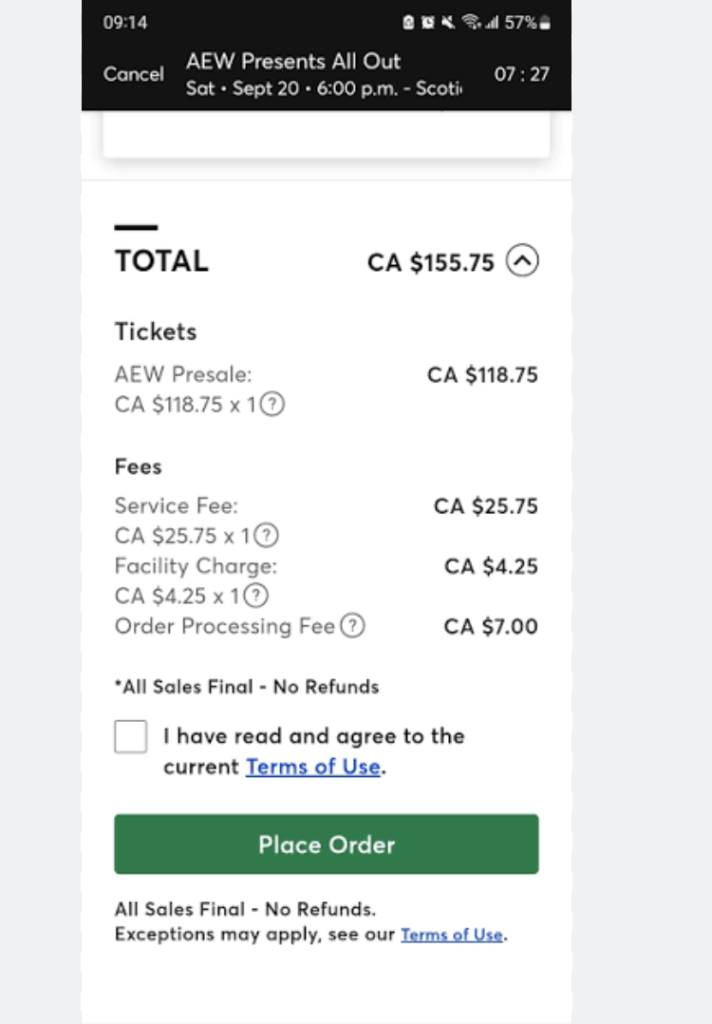
Most attendees have experienced this firsthand — you go to buy a $50 ticket and by checkout it’s $57.50. That extra $7.50 is the service fee. But where that money goes, and who ultimately pays it, varies significantly depending on the ticketing platform and how the organizer has set things up.
Who Pays Ticketing Service Fees — The Organizer or the Attendee?
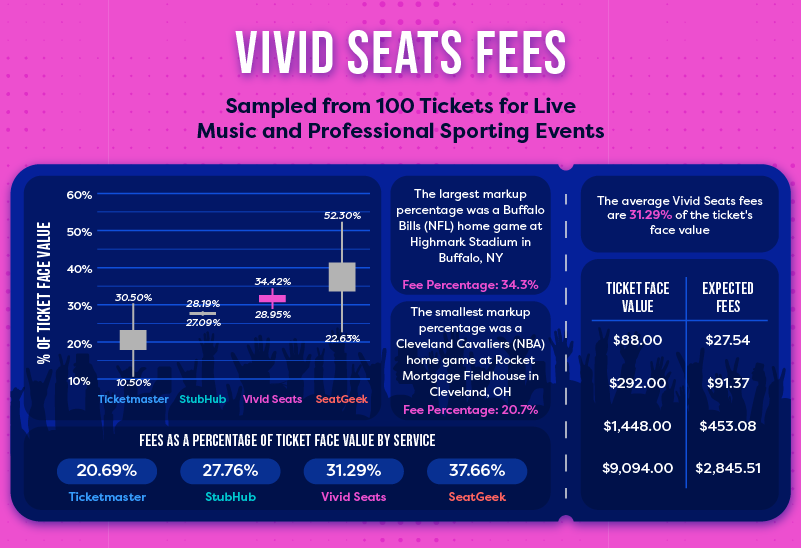
This is one of the most important questions to ask when evaluating a ticketing platform. There are three common structures:
Attendee-paid fees
The most common setup. The organizer sets a base ticket price, and the platform adds its fees on top at checkout. The attendee sees the full price including fees. The organizer receives the base ticket price.
Organizer-absorbed fees
The organizer pays the platform fees out of their revenue. The attendee sees only the base ticket price at checkout. This can feel friendlier to attendees but directly reduces organizer revenue.
Split fees
Some platforms allow organizers to split fees between themselves and attendees. For example, the organizer absorbs half the fee and passes the other half to the attendee.
Which is best?
For most independent event organizers, attendee-paid fees are the most straightforward model — your revenue is predictable and you don’t lose money on every ticket sold. The key is being transparent with attendees so the fees don’t come as a surprise at checkout.
What Types of Fees Should You Watch For?
Not all ticketing fees are created equal. Here are the main types to understand:
Per-ticket fee
A flat dollar amount charged per ticket sold. Example: $1.50 per ticket. Simple and predictable.
Percentage fee
A percentage of the ticket price charged per transaction. Example: 5% of the ticket price. This scales up significantly on higher-priced tickets.
Payment processing fee
Charged by the payment processor (usually Stripe or a similar provider) to handle the credit card transaction. Typically around 2.9% + $0.30 per transaction. Sometimes included in the platform fee, sometimes charged separately.
Credit card fee
Some platforms charge a separate fee specifically for credit card transactions versus cash or check payments.
Payout fee
Some platforms charge a fee to transfer your event revenue to your bank account. Always check how and when payouts happen.
Chargeback fee
If an attendee disputes a charge with their bank, some platforms pass the chargeback fee directly to the organizer. These can range from $15 to $25 per dispute.
Refund fee
Some platforms keep their service fee even when a ticket is refunded. Always check the refund policy before signing with a platform.
Ticketing Fee Structures: A Comparison
| Fee Type | What to Watch For |
|---|---|
| Per-ticket flat fee | Simple and predictable — good for budgeting |
| Percentage fee | Hurts more on high-ticket-price events |
| Payment processing | Should be around 2.9% + $0.30 — higher is a red flag |
| Payout fee | Should be free or very low |
| Chargeback fee | Ask who absorbs this — organizer or platform |
| Refund fee | Check if platform keeps fees on refunds |
How Much Do Ticketing Fees Actually Cost Organizers?
Let’s run a real example. Say you’re running a festival with 1,000 attendees at $75 per ticket. That’s $75,000 in gross ticket revenue.
Scenario A — High-fee marketplace platform (8% total fees, organizer-absorbed):
$75,000 x 8% = $6,000 in fees
Your net revenue: $69,000
Scenario B — Low-fee direct ticketing platform (attendee-paid fees):
$75,000 x 0% organizer fees = $0 in fees to you
Your net revenue: $75,000
That’s a $6,000 difference on a single event. For organizers running multiple events per year, that gap compounds quickly.
What Hidden Fees Should Organizers Watch For?
Beyond the obvious per-ticket charges, watch for these less visible costs:
- Monthly or annual platform fees — some platforms charge just to use their software
- Setup fees — charged to create your event listing
- Will Call fees — charges for managing a guest list or will call window
- Scanning fees — charges for using the platform’s scanning app or hardware
- Phone support fees — some platforms charge extra for live support
- Early payout fees — charges for receiving your revenue before the event
Always ask for a complete fee schedule in writing before signing with any ticketing platform.
Ticketing Fee Checklist for Event Organizers
Before signing with any ticketing platform, get clear answers to these questions:
- ✅ What is the per-ticket fee?
- ✅ Is there a percentage fee on top of that?
- ✅ Who pays the fees — organizer or attendee?
- ✅ What is the payment processing fee and is it included?
- ✅ Are there monthly or annual platform fees?
- ✅ When and how do payouts happen?
- ✅ Is there a fee for payouts?
- ✅ Who absorbs chargeback fees?
- ✅ Does the platform keep fees on refunds?
- ✅ Are there any fees for scanning, will call, or onsite sales?
How Afton Handles Ticketing Fees
Afton Tickets was built with independent event organizers in mind — which means a transparent, organizer-friendly fee structure with no surprises.
Afton passes service fees to attendees rather than absorbing them from organizer revenue, which means what you price is what you make. There are no hidden monthly fees, no scanning fees, and no gotchas buried in the fine print. Afton’s account team walks every organizer through exactly what fees look like for their specific event before they commit to anything.
See how Afton’s fee structure works for your event at aftontickets.com
Frequently Asked Questions About Ticketing Service Fees
Why do ticketing platforms charge service fees?
Service fees cover the cost of running the ticketing platform — software development, payment processing, customer support, fraud protection, and infrastructure. They’re how ticketing companies generate revenue.
Can I negotiate ticketing fees?
With larger platforms, rarely. With independent ticketing companies like Afton, there’s often more flexibility — especially for high-volume events or multi-event organizations.
Should I show fees upfront or add them at checkout?
Showing fees upfront reduces cart abandonment and builds trust with attendees. Surprise fees at checkout are one of the leading causes of incomplete ticket purchases.
What’s a reasonable ticketing service fee?
For independent events, a reasonable all-in fee (platform + processing) is typically in the range of 3% to 6% of the ticket price plus a small flat fee. Anything significantly above that warrants a closer look at what you’re getting in return.
Do ticketing fees affect my event’s perceived value?
They can — particularly if fees are high relative to the ticket price. A $5 service fee on a $10 ticket feels very different than a $5 fee on a $100 ticket. Keep this in mind when setting your base ticket price.
Find out how Afton is built for the future of independent event ticketing at aftontickets.com
Other Articles
Creating Events with Accessibility In Mind



Meet Ryan Kintz, the visionary CEO behind Afton Tickets, Afton LiveStream, and Afton Shows. With a rich background in event organization, concert promotion, and entrepreneurial ventures, Ryan is a prominent figure in the entertainment industry.
Afton Tickets: Elevating Event Experiences
As the co-founder and CEO of Afton Tickets, Ryan serves a diverse clientele, including fairs, festivals, beer/wine/food events, and concerts of various scales, from 500 to 100,000+ attendees. His commitment to excellence shines through, providing tailored ticketing solutions that enhance event experiences and streamline ticket sales.