

🎯 1. Start With a Clear Identity
Communities form around something.
Ask yourself:
- Who is this event for?
- What do they care about?
- What brings them together?
Examples:
- Indie music lovers
- Startup founders
- Local creatives
- Fitness enthusiasts
The more specific you are, the stronger the connection.
👉 “For everyone” = connection with no one.
🤝 2. Design for Interaction (Not Just Attendance)
Crowds consume. Communities connect.
If your event is just:
- Watch → listen → leave
…you’re building a crowd.
Instead, create opportunities for people to interact:
- Icebreakers or structured networking
- Small group conversations
- Shared activities or experiences
👉 People remember who they met more than what they watched.
🔁 3. Create Continuity Between Events
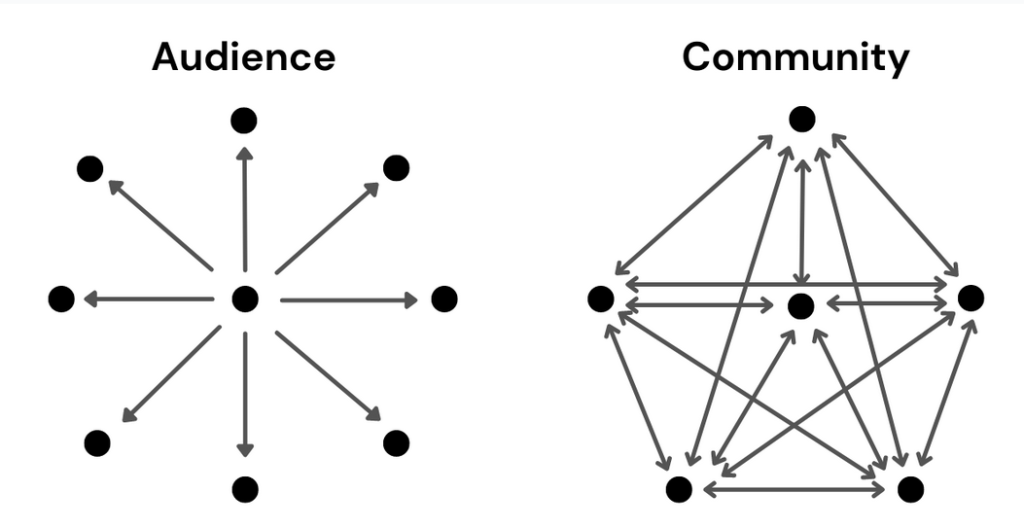
A community doesn’t exist for just a few hours.
It continues before and after the event.
Ways to build continuity:
- Create a group chat, Discord, or email list
- Share photos and recaps after the event
- Tease the next event early
- Highlight returning attendees
👉 Give people a reason to stay connected between events.
🧠 4. Make People Feel Seen
This is where most events fall short.
Small touches make a big difference:
- Remember repeat attendees
- Shout out community members
- Feature attendees in content
- Personally welcome people
👉 When people feel recognized, they feel like they belong.
🎟️ 5. Reward Loyalty
If someone comes to your event once, great.
If they come back? That’s gold.
Encourage that behavior:
- Offer returning attendee discounts
- Create VIP or member perks
- Give early access to repeat guests
👉 Turn attendees into insiders.
📣 6. Let Your Community Help You Grow
Your best promoters aren’t ads—they’re your attendees.
Encourage:
- Sharing on social media
- Bringing friends
- User-generated content
You can even:
- Offer referral incentives
- Feature attendees who invite others
👉 When people feel ownership, they naturally spread the word.
🎨 7. Build a Consistent Experience
Community thrives on familiarity.
That doesn’t mean every event is identical—but it should feel connected.
Think:
- Consistent branding and tone
- Similar structure or flow
- Recognizable elements (music, format, rituals)
👉 People should know what to expect—and look forward to it.
⚡ 8. Focus on Quality Over Quantity
It’s better to have:
- 100 engaged people
Than:
- 500 disconnected ones
A smaller, stronger group creates:
- Better energy
- Stronger relationships
- More organic growth
👉 Communities grow outward. Crowds fade.
💬 9. Listen and Adapt
Communities aren’t built at people—they’re built with them.
Ask for feedback:
- What did people enjoy?
- What could be better?
- What do they want next?
And more importantly—act on it.
👉 When people see their input shaping the event, they invest emotionally.
🚀 10. Make It About More Than the Event
The strongest communities aren’t just about what happens at the event.
They’re about:
- Shared identity
- Shared experiences
- Shared values
Your event becomes the hub—not the whole story.
👉 That’s when people stop just attending… and start belonging.
🧠 Quick Shift: From Crowd → Community
If you want a simple mindset change:
Instead of asking:
“How do I get more people to show up?”
Start asking:
“How do I get people to come back—and bring others?”
That shift changes everything.
🎯 The Bottom Line
A crowd fills a room.
A community fills your future events.
If you invest in:
- Connection
- Consistency
- Experience
You won’t just run events—you’ll build something people want to be part of.
And when that happens, ticket sales stop feeling like a grind… and start feeling like momentum.
See how Afton works for independent event organizers at aftontickets.com
Other Articles
Why Independent Organizers Are Switching to Direct Ticketing
Why Buying Tickets Online is Safer and Easier Than Ever
How to Turn First-Time Attendees into Loyal Fans


In addition to overseeing account management, Jordan plays a key role in cross-functional initiatives including fraud prevention, marketing strategy, and business operations. He is known for combining analytical problem-solving with a hands-on leadership style, helping Afton Tickets improve internal processes, reduce fraud risk, and strengthen customer engagement. His diverse expertise and collaborative approach make him an integral part of the company’s continued growth and innovation.