

Fraud and chargebacks are two of the most frustrating challenges event organizers face. They quietly eat into revenue, disrupt operations, and can even put your payment processing at risk if left unchecked. And while fraud tactics continue to evolve, the good news is that most issues are preventable with the right systems and strategies in place.
Whether you’re producing a one-night concert or a multi-day festival, proactive fraud prevention isn’t just about protecting revenue—it’s about protecting your event’s reputation and your relationship with fans.
Here are the best practices every live event organizer should know.
Understand Where Fraud Happens
Most ticketing fraud falls into a few common categories:
- Stolen credit cards used to purchase tickets
- Friendly fraud (buyers claiming they didn’t authorize a purchase)
- Duplicate purchases and resales
- Chargebacks tied to unclear refund or event policies
Understanding these risks helps organizers focus prevention efforts where they matter most—before the event ever happens.
Use Secure, Modern Ticketing Technology
Your first and strongest line of defense is your ticketing platform. A secure system should include:
- Encrypted payment processing
- Address Verification Service (AVS)
- CVV checks
- Velocity controls to limit rapid repeat purchases
- Real-time fraud monitoring
These tools work behind the scenes to flag suspicious behavior early, preventing fraudulent transactions from being completed in the first place.
Require Clear Buyer Information
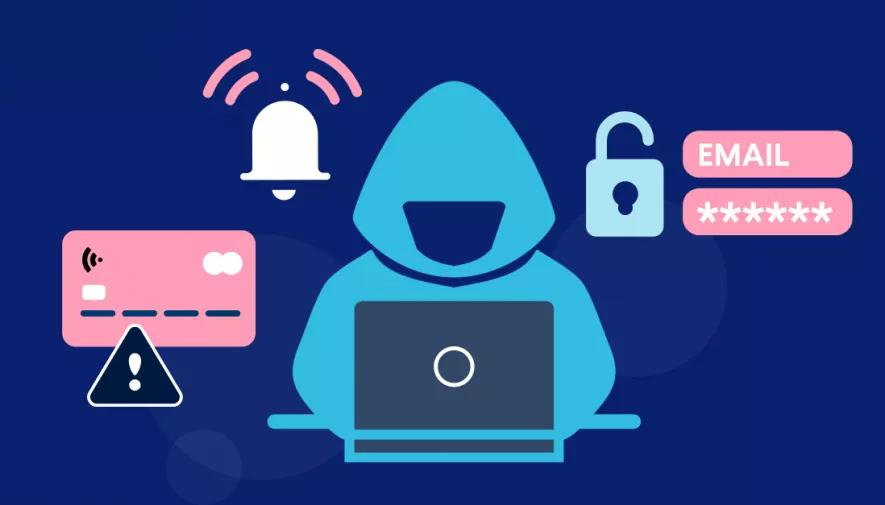
Fraud thrives on anonymity. Requiring accurate customer information—such as full names, valid emails, and confirmation steps—creates accountability and discourages bad actors.
Email verification and digital ticket delivery tied to a verified account help ensure tickets end up in the hands of legitimate buyers while giving organizers a clear record of each transaction.
Set and Communicate Clear Policies
Many chargebacks don’t come from fraud—they come from confusion.
Make sure your refund, exchange, and event policies are:
- Easy to find during checkout
- Clearly written and straightforward
- Included in confirmation emails
When buyers understand what they’re agreeing to, they’re far less likely to dispute charges later.
Limit Risky Purchasing Behavior
Certain behaviors are common red flags for fraud, including:
- Multiple high-dollar purchases in a short time
- Repeated failed payment attempts
- Mismatched billing and IP locations
Setting reasonable purchase limits and monitoring unusual activity can dramatically reduce fraud exposure without impacting legitimate buyers.
Deliver Tickets Digitally and Securely
Digital tickets with unique barcodes or QR codes reduce duplication and resale fraud. Pairing tickets with ID verification or mobile-only delivery for high-risk events adds an extra layer of protection.
Scanning tickets at entry and validating them in real time ensures that only legitimate tickets are admitted—protecting both your revenue and your guests’ experience.
Monitor Sales Before and After the Event
Fraud doesn’t always reveal itself immediately. Regularly reviewing sales patterns before the event—and watching for chargebacks afterward—helps organizers identify trends and adjust safeguards over time.
Tracking metrics like dispute rates, refund requests, and ticket usage provides valuable insight that strengthens future events.
Train Your Team
Your staff plays a critical role in fraud prevention. Make sure your team knows:
- How to identify suspicious transactions
- When to escalate concerns
- How to handle attendee disputes calmly and professionally
A well-informed team can prevent small issues from turning into costly chargebacks.
Work with a Ticketing Partner That Has Your Back
Not all ticketing platforms are created equal. Working with a partner that actively monitors fraud, supports dispute resolution, and provides transparent reporting can make a major difference.
The right partner doesn’t just process payments—they help protect your business and your fans.
The Bottom Line
Fraud and chargebacks are an unfortunate reality of live events—but they don’t have to be a constant threat. With secure technology, clear communication, and proactive monitoring, organizers can significantly reduce risk while maintaining a smooth, trustworthy ticket-buying experience.
Protecting your event means protecting your revenue, your reputation, and your audience—and that’s a win worth investing in.
As always if you are looking for a great event to attend you can purchase tickets HERE.
Other Articles
Creating Events with Accessibility In Mind



Meet Ryan Kintz, the visionary CEO behind Afton Tickets, Afton LiveStream, and Afton Shows. With a rich background in event organization, concert promotion, and entrepreneurial ventures, Ryan is a prominent figure in the entertainment industry.
Afton Tickets: Elevating Event Experiences
As the co-founder and CEO of Afton Tickets, Ryan serves a diverse clientele, including fairs, festivals, beer/wine/food events, and concerts of various scales, from 500 to 100,000+ attendees. His commitment to excellence shines through, providing tailored ticketing solutions that enhance event experiences and streamline ticket sales.